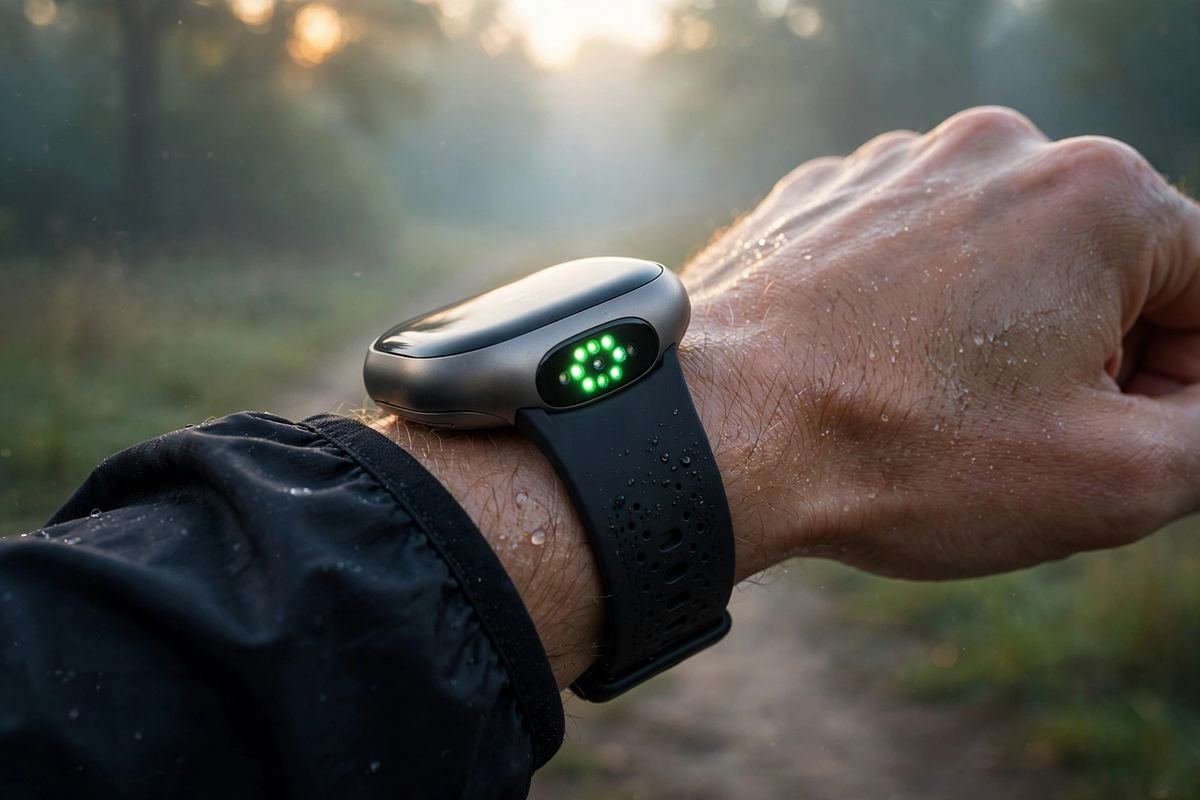

If you are serious about understanding your body, few wearables do the job better than a Fitbit. The brand built its reputation on reliable step counting and sleep analysis, and today’s lineup goes far beyond the basics, with ECG readings, blood oxygen sensing, stress tracking and some of the longest battery life in the smartwatch world. This guide to the best fitbit smartwatches walks through every current and recent model worth buying, so you can match the right device to your goals instead of guessing.
Choosing between models raises real questions. The classic fitbit versa vs sense debate comes down to how much health data you want on your wrist, since the Sense line adds ECG, electrodermal stress sensing and skin temperature while the Versa line focuses on fitness tracking at a lower price. If you want a true fitbit health tracking watch, you also need to weigh GPS, water resistance, screen quality and how many days the battery lasts, because the best device is the one you actually keep charged and wearing.
In this fitbit smartwatch buying guide you will find honest breakdowns of ten models, from the flagship Sense 2 to slim trackers like the Inspire 3 and the style forward Luxe, which many buyers consider the best fitbit smartwatch for women. We cover the best fitbit for sleep tracking, explain what a fitbit with ecg can and cannot do, and compare fitbit battery life across the range. Every pick below is a real model you can buy today, with typical street pricing in US dollars and the tradeoffs spelled out plainly. Use it to find the best fitbit smartwatches for your goals and budget.
Quick Picks: Best Fitbit Smartwatches at a Glance
Short on time? These five picks are the best fitbit smartwatches for the most common needs, and the full reviews below explain exactly why each one made the list.
- Best Overall: Fitbit Sense 2, the flagship health watch with ECG and stress sensing
- Best Value: Fitbit Charge 6, tracker comfort with ECG and YouTube Music at a midrange price
- Best Battery Life: Fitbit Inspire 3, a slim tracker that runs about ten days per charge
- Best for Women: Fitbit Luxe, a slim, jewelry style tracker with full health tracking
- Best Budget: Fitbit Versa 2, an older smartwatch that still nails sleep and activity tracking
How to Choose the Best Fitbit Smartwatches
The best fitbit smartwatches share one trait: they disappear into your routine. Pick a model that matches how you actually live. Runners need built in GPS so the phone can stay home. Swimmers need solid water resistance. Anyone chasing better sleep should prioritize a comfortable, slim case and Fitbit’s excellent sleep score, which remains one of the most trusted sleep summaries in wearables.
Price matters too, but street prices on Fitbits move a lot. Last generation models like the Versa 3 and original Sense often sell for far less than their launch prices, which makes them smart buys if you do not need the newest sensor. Before you commit, check the three areas below, because they decide whether a watch delights you or ends up in a drawer.
Match the sensors to your goals
Every Fitbit tracks steps, heart rate, sleep and workouts, but the advanced sensors differ. ECG is available on the Sense 2, Charge 6, Charge 5 and original Sense, and it can flag signs of atrial fibrillation. Electrodermal activity sensing, which powers the stress management score, lives on the Sense line and the Charge 5. If you only care about fitness and sleep, a Versa or Inspire gives you the core experience for less.
Battery life and charging reality
Fitbit battery life ranges from about five days on the Luxe to about ten days on the Inspire 3, with most smartwatch models landing around six days. Always on display mode cuts those numbers roughly in half, so decide whether you need the screen lit all day. A magnetic charger tops up most models in about two hours, which means a quick charge while you shower can keep you going for days.
Fit, size and the Fitbit app
Comfort decides everything with a 24 hour health tracker. Slim wrists often suit the Inspire 3 or Luxe better than the larger Sense 2, so check case dimensions before ordering. All models sync with the Fitbit app, which organizes your health metrics, sleep score and readiness. A Fitbit Premium subscription adds deeper insights and guided workouts, though the free tier covers the essentials well.
The 10 Best Fitbit Smartwatches for Health Tracking
Below are our ten picks for the best fitbit smartwatches, from the flagship Sense 2 to slim everyday trackers. We compare sensors, battery life, comfort, and prices so you can find the right match for your wrist.
1. Fitbit Sense 2
The Fitbit Sense 2 is the flagship of the lineup and the most complete fitbit health tracking watch you can buy. It adds ECG, continuous electrodermal activity sensing for all day stress detection, skin temperature variation and blood oxygen monitoring, all in a thinner and lighter case than the original Sense. It typically sells for around $200 on sale, down from a $249 launch price, which puts genuine medical grade sensing within reach of mainstream buyers.
- ECG app for on demand heart rhythm readings
- Continuous EDA sensor with all day body response tracking
- Skin temperature and SpO2 monitoring overnight
- About six days of battery life with Bluetooth calling
Pros: most advanced health sensors of any Fitbit, slim comfortable design, strong sleep and readiness insights. Cons: no third party app store, GPS can be slow to lock, Premium subscription needed for the deepest insights.
2. Fitbit Versa 4
The Fitbit Versa 4 is the fitness first answer in the fitbit versa vs sense debate, keeping the smartwatch experience while skipping the ECG and stress sensors to hit a lower price. You get built in GPS, more than 40 exercise modes, turn by turn directions through Google Maps on Android, and a brighter display than its predecessor. Street prices hover around $150, making it one of the best value full size Fitbits.
- Built in GPS plus GLONASS for accurate run tracking
- More than 40 exercise modes with automatic workout detection
- Bluetooth calls, texts and voice assistant support
- About six days of battery life per charge
Pros: great fitness tracking for the price, comfortable lightweight case, fast charging. Cons: no ECG or EDA sensor, no music storage, fewer smart features than Wear OS rivals.
3. Fitbit Charge 6
The Fitbit Charge 6 proves the best fitbit smartwatches do not need a big square watch to deliver serious health data. This slim tracker packs an ECG sensor, blood oxygen and skin temperature tracking, plus built in GPS, YouTube Music controls and Google Maps turn by turn directions. It usually sells for around $159, and its haptic side button fixes the tap only frustration of older Charge models.
- ECG, SpO2 and skin temperature in a tracker form factor
- Built in GPS for phone free run and ride tracking
- YouTube Music controls and Google Maps directions
- About seven days of battery life
Pros: flagship sensors in a slim band, excellent battery life, comfortable for sleep. Cons: small screen limits smart features, no onboard music storage, band mechanism can feel fiddly.
4. Fitbit Inspire 3
If you want the best fitbit for sleep tracking on a budget, the Inspire 3 is hard to beat. It is slim, light and unobtrusive enough to wear all night, and Fitbit’s sleep score, sleep stages and Smart Wake alarm remain best in class. It typically costs around $99, tracks heart rate, SpO2 and stress, and runs about ten days per charge, the longest fitbit battery life in the current lineup.
- Color touchscreen in an ultra slim tracker body
- Full sleep score with stages and Smart Wake
- Heart rate, SpO2 and daily readiness tracking
- About ten days of battery life per charge
Pros: featherweight comfort, outstanding battery life, affordable price. Cons: no built in GPS, no ECG, small display for notifications.
5. Fitbit Luxe
The Fitbit Luxe is the style pick of the range and a strong contender for the best fitbit smartwatch for women who want health tracking without a bulky case. Its slim stainless steel body looks more like jewelry than a gadget, yet it still tracks heart rate, sleep, SpO2 and stress, and it is swim proof to 50 meters. It usually sells for around $129, often bundled with a second band.
- Slim stainless steel case with elegant band options
- Heart rate, sleep, SpO2 and stress management score
- Swim proof design rated to 50 meters
- About five days of battery life
Pros: beautiful jewelry like design, comfortable for small wrists, solid health tracking. Cons: no built in GPS, no ECG, shortest battery life of the trackers.
6. Fitbit Ace 3
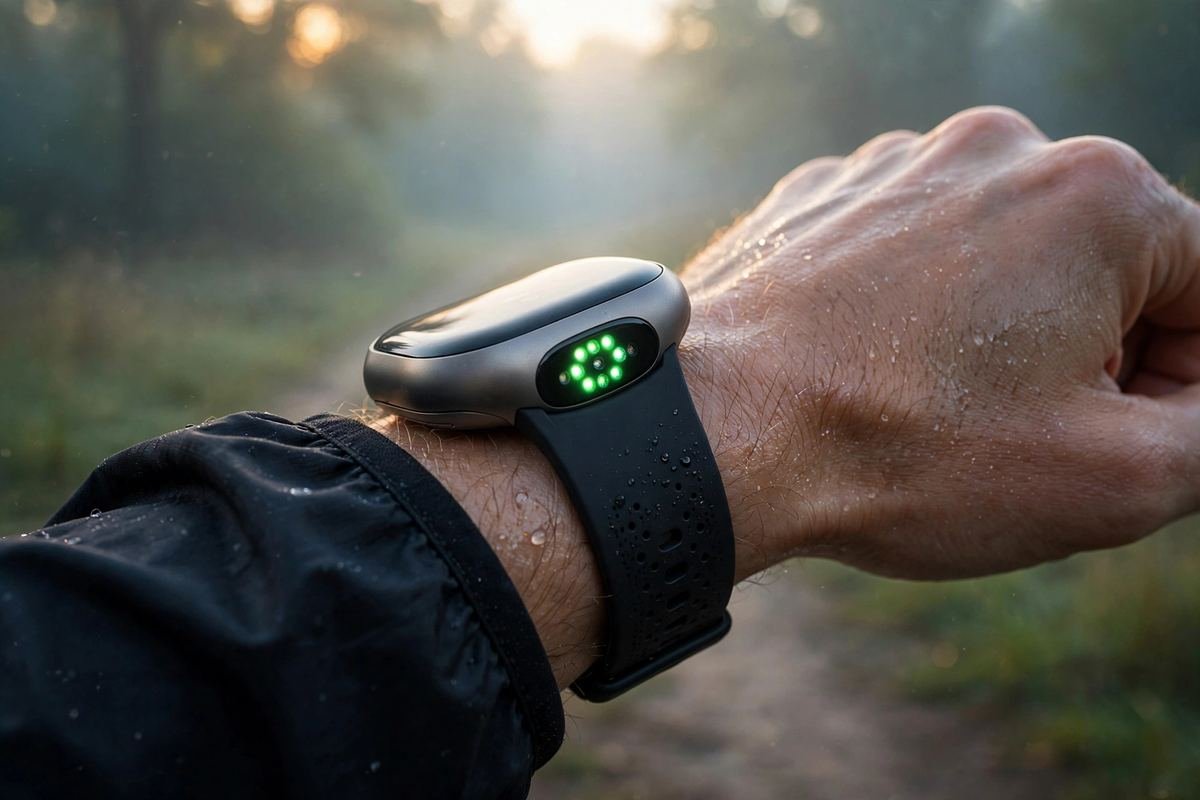
The Fitbit Ace 3 is built for kids, with a swim proof design, fun animated clock faces and activity challenges that keep young wearers moving. Parents like the simplified Fitbit app view and the fact that there is no heart rate sensor or complicated health data to interpret. It typically sells for around $79 and runs about eight days per charge, so it survives a full week of school and play.
- Kid friendly design with animated clock faces
- Swim proof to 50 meters for pool and beach play
- Activity challenges and virtual badges for motivation
- About eight days of battery life per charge
Pros: durable and swim proof, simple for kids to use, long battery life. Cons: no heart rate sensor, no GPS, limited appeal beyond young children.
7. Fitbit Versa 3
The Fitbit Versa 3 remains a smart buy on the used and clearance market, often selling for around $129, well under its original price. It was the first Versa with built in GPS, and it still offers Google Assistant, Bluetooth calling, SpO2 tracking and a bright always on capable display. For buyers comparing the fitbit versa vs sense question on a budget, a discounted Versa 3 delivers most of the Versa 4 experience for less.
- Built in GPS for phone free outdoor workouts
- Google Assistant and Bluetooth calling built in
- SpO2, sleep score and 20 plus exercise modes
- About six days of battery life with fast charging
Pros: discounted prices make it a bargain, full smartwatch feature set, comfortable fit. Cons: discontinued so stock is limited, no ECG, older sensor package than Versa 4.
8. Fitbit Charge 5
The Fitbit Charge 5 brought flagship sensors to the tracker line, including ECG and daily EDA stress scans, and it now sells at clearance prices around $99. You get built in GPS, a bright color always on display option, and the full sleep and readiness suite. It is the cheapest way to get a fitbit with ecg on your wrist, which makes it a standout for deal hunters.
- ECG and EDA stress scanning in a slim tracker
- Built in GPS with a bright color display
- Daily readiness and sleep score insights
- About seven days of battery life per charge
Pros: flagship sensors at a budget price, slim and light, strong battery life. Cons: no physical buttons, discontinued model, Premium needed for full readiness detail.
9. Fitbit Sense
The original Fitbit Sense launched the brand’s advanced health era, and clearance prices around $149 make it tempting for buyers who want ECG and EDA sensing cheaply. It offers the same core sensor array as its successor, including skin temperature and SpO2, with a slightly thicker case and older processor. If the Sense 2 is out of budget, this is the most affordable path to full Fitbit health sensing.
- ECG, EDA and skin temperature sensing
- SpO2, sleep score and stress management
- Built in GPS and Bluetooth calling
- About six days of battery life per charge
Pros: flagship sensors at midrange prices, proven health tracking platform, comfortable on wrist. Cons: older and slower than Sense 2, limited app ecosystem, being phased out.
10. Fitbit Versa 2
The Fitbit Versa 2 is the classic budget pick among the best fitbit smartwatches, often available refurbished or on clearance for around $99. It brings Alexa built in, music controls, sleep tracking and a crisp AMOLED display, covering everything a casual user needs. While it lacks GPS and the newer health sensors, its core activity and sleep tracking remains as reliable as ever.
- Alexa built in for voice control on the wrist
- Crisp AMOLED display with always on option
- Sleep score, heart rate and 15 plus exercise modes
- About five days of battery life per charge
Pros: very affordable, Alexa voice assistant, proven reliable tracking. Cons: no built in GPS, no ECG or SpO2, aging hardware.
Buying and Caring for Your Fitbit
Buy from an authorized retailer so your warranty stays valid, and register the device in the Fitbit app the day it arrives to start building your health baseline. If you are choosing between sizes, measure your wrist and check Fitbit’s sizing guide, because a tracker that slides around gives noisy heart rate data. Keep the band snug during workouts and slightly looser overnight for the most accurate sleep tracking. If you are torn between two models, our comparison of the best fitbit smartwatches above breaks down the sensor differences that matter most.
Care is simple but matters for longevity. Rinse the watch with fresh water after sweaty workouts or swims, dry the band fully before wearing it again, and avoid harsh soaps on the sensors. Charge with the included magnetic cable and avoid letting the battery sit at zero for weeks. For deeper guidance on getting the most from your health data, the reviews and explainers at DC Rainmaker are an excellent independent resource for wearable testing methodology.
Frequently Asked Questions
Which Fitbit is best for health tracking?
The Fitbit Sense 2 leads the best fitbit smartwatches for health tracking, with ECG, continuous stress sensing, skin temperature and SpO2. If you want those sensors in a smaller package, the Fitbit Charge 6 offers ECG and the core health suite in a slim band.
What is the difference between the Fitbit Versa and Sense?
The Sense line adds advanced health sensors like ECG, electrodermal stress sensing and skin temperature, while the Versa line focuses on fitness tracking, GPS and smartwatch features at a lower price. Both share the same app, sleep tracking and exercise modes.
Which Fitbit has the best battery life?
Among the best fitbit smartwatches, the Fitbit Inspire 3 leads with about ten days per charge, followed by the Ace 3 at about eight days and the Charge models at about seven. The smartwatch models typically run about six days, dropping to roughly three with always on display enabled.
Do I need Fitbit Premium?
No, the free Fitbit app covers steps, heart rate, sleep score, workouts and basic trends. Premium adds deeper insights like the Daily Readiness score detail, guided programs and mindfulness content. Many buyers start free and upgrade only if they want the extra coaching.
Can a Fitbit detect heart problems?
Models with ECG, including the Sense 2, Charge 6, Charge 5 and original Sense, can take on demand readings that flag signs of atrial fibrillation. This is a screening tool, not a diagnosis, so share any concerning results with your doctor rather than relying on the watch alone.
Conclusion
The best fitbit smartwatches prove you do not need to spend flagship money to understand your health. The Sense 2 leads for deep health insight, the Charge 6 packs remarkable sensors into a slim band, and the Inspire 3 remains the comfort and battery champion. Pick the model that matches your goals, wear it consistently, and let the data guide smarter habits.
For more wearable coverage, explore the reviews on All Watch Today, browse the latest posts on our blog, or dive into every guide in the smartwatches category. Bookmark this guide to the best fitbit smartwatches and check back whenever Fitbit launches new models.
